

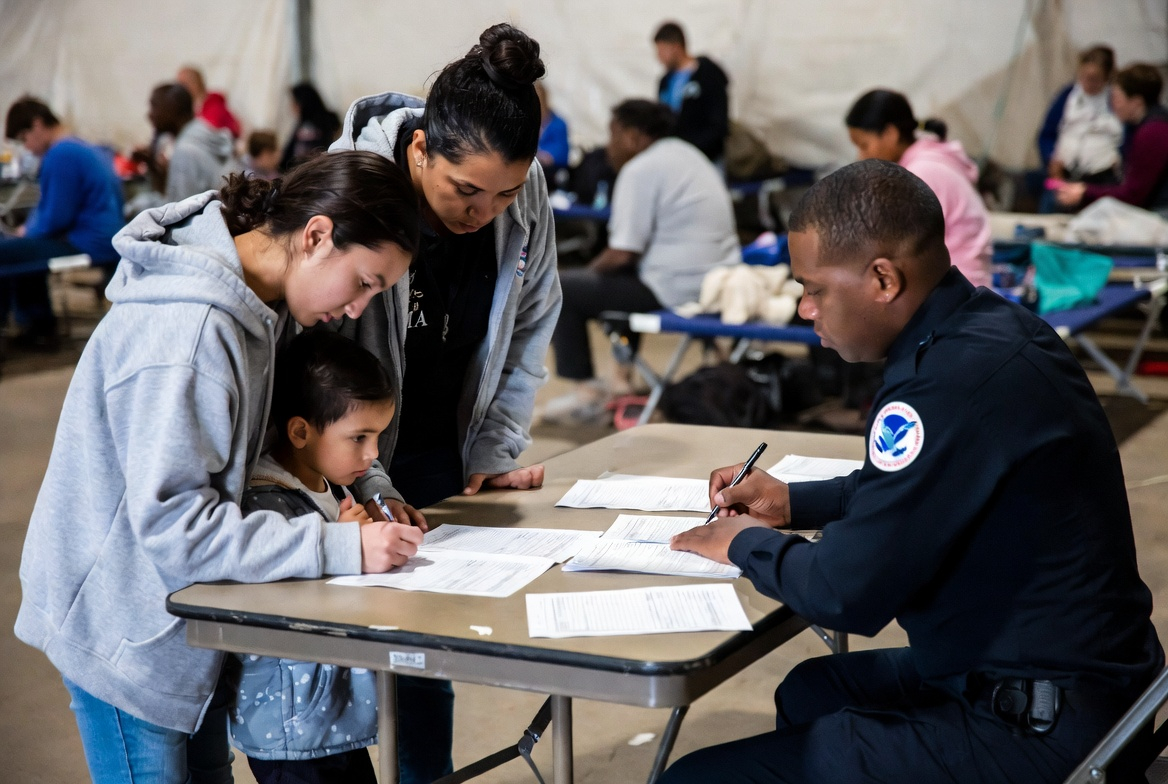
FEMA Individual Assistance can help cover temporary housing, home repairs, and other disaster-related expenses. The application process is straightforward if you know what to expect.
What FEMA Individual Assistance Covers
FEMA Individual Assistance (IA) is available to individuals and families affected by a federally declared disaster. The program has several components designed to help you get back on your feet.
Housing Assistance
Rental Assistance: Money to help you rent a temporary place to live if your home is damaged or destroyed.
Lodging Expense Reimbursement: Reimbursement for hotel or motel stays in the immediate aftermath.
Home Repair Assistance: Funds to repair disaster-caused damage to your primary residence, making it safe and livable.
Home Replacement Assistance: Help toward replacing a destroyed home that was your primary residence.
Other Needs Assistance
- Medical and dental expenses caused by the disaster
- Funeral and burial costs for disaster-related deaths
- Personal property replacement (clothing, furniture, appliances)
- Transportation (vehicle repair or replacement)
- Moving and storage expenses
- Other serious disaster-related needs
Crisis Counseling
FEMA funds free crisis counseling through the Substance Abuse and Mental Health Services Administration (SAMHSA). These services help disaster survivors cope with emotional distress, grief, and anxiety — available at no cost and without needing insurance.
You can apply even without insurance. FEMA assistance is available whether or not you have homeowner’s or renter’s insurance. If you do have insurance, FEMA can cover gaps that your policy does not.
How to Register
Online: Visit disasterassistance.gov — available 24 hours a day, 7 days a week.
By phone: Call 1-800-621-3362 (TTY: 1-800-462-7585). Multilingual operators are available.
In person: Visit a Disaster Recovery Center in your area.
By app: Download the FEMA mobile app for iOS or Android.
What You Will Need to Apply
- Social Security number
- Address of the damaged property
- Current contact information and mailing address
- Insurance information (if applicable)
- Description of the damage and your losses
- Bank account information for direct deposit (fastest method)
The Inspection Process
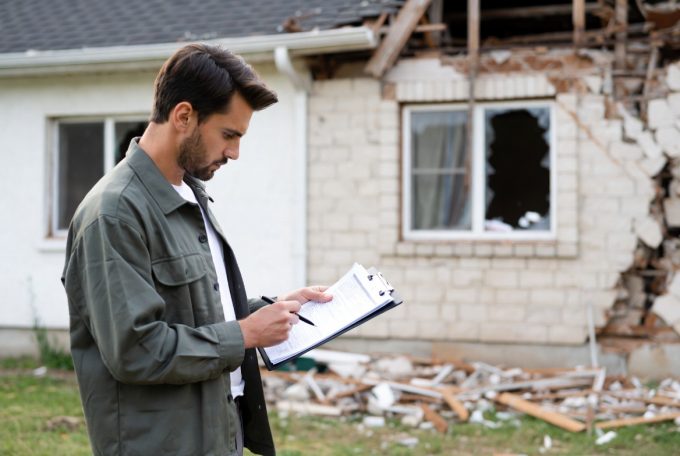
After you register, FEMA will schedule an inspection of your property. An inspector will assess the damage and file a report. You do not need to be present, but it helps to be there to point out all damage. The inspection typically happens within 10-14 days of registration.
If You Are Denied: The Appeal Process
If your application is denied, do not give up. You have 60 days from the date of the decision letter to file an appeal. Common reasons for denial include incomplete information or missing documentation — both of which can be corrected. Write a letter explaining why you disagree and include any supporting documents.
Did not finish? Pick up where you left off.
Your answers are not saved — check your eligibility now before you go.
Relief Resource Center may receive compensation when you use links or tools on this page. All programs listed are subject to eligibility requirements and availability. This page is for informational purposes only and does not constitute legal, financial, or medical advice.





Leave a comment