

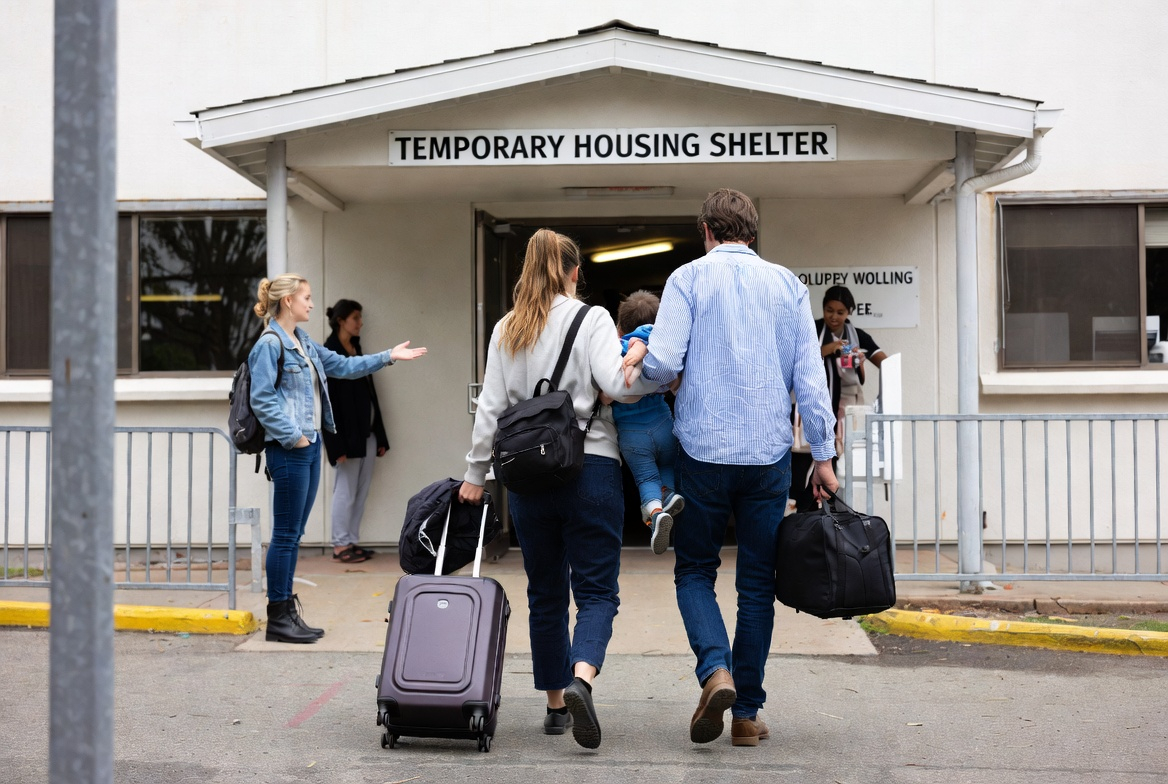
When your home is damaged or destroyed, finding a safe place to stay is the first priority. Multiple programs exist to help — from emergency shelters to longer-term transitional housing.
Your Housing Options After a Disaster
Recovery from disaster-related displacement takes time — the average is 14 to 18 months for families to return to permanent housing. Knowing your options at each stage can reduce stress and help you make better decisions during a difficult time.
Emergency Shelters
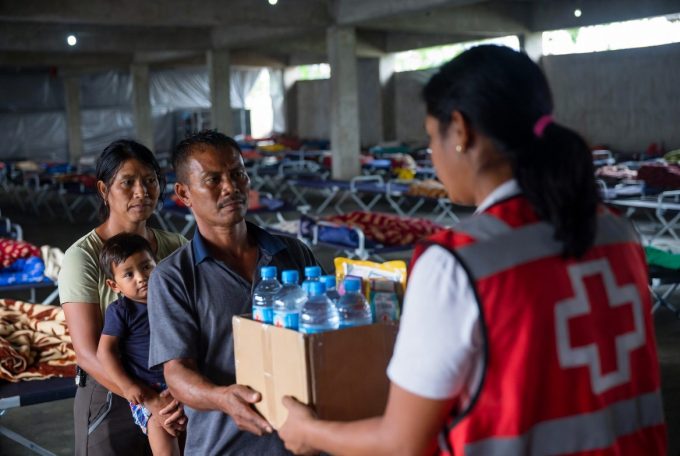
In the immediate aftermath, emergency shelters are your first option. The American Red Cross operates shelters at schools, community centers, and churches. Local emergency management agencies and faith-based organizations also open shelters. These provide a safe place to sleep, meals, first aid, and connections to other resources — all at no cost.
FEMA Transitional Sheltering Assistance (TSA)
FEMA’s TSA program provides hotel and motel vouchers for disaster survivors who cannot return home and have no other housing options. The program typically covers the room cost directly — you do not pay out of pocket. TSA is initially authorized for a set period but can be extended based on the disaster.
FEMA Rental Assistance
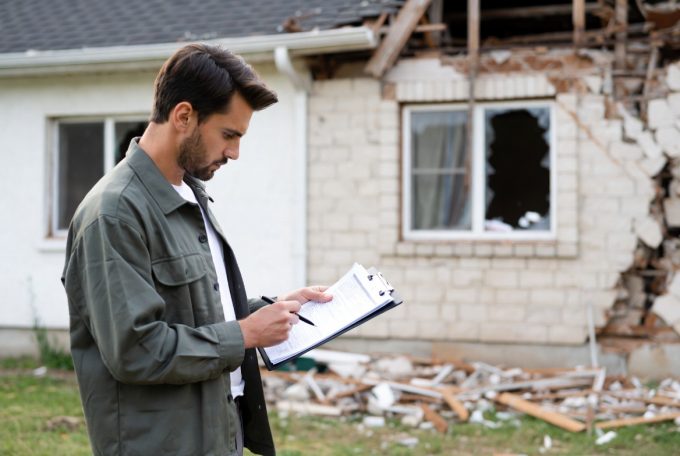
If your home is uninhabitable, FEMA may provide rental assistance to help you afford a temporary rental while your home is being repaired. This assistance typically covers rent for an initial period with possible extensions. To qualify, you must register with FEMA and have your home inspected.
FEMA Temporary Housing Units
In areas where rental housing is scarce, FEMA may provide manufactured housing units (MHUs) or travel trailers as temporary housing. These are placed on your property or in group sites and are provided at no cost for an initial period, typically up to 18 months.
Register with FEMA first — housing assistance requires registration. All FEMA housing programs require you to be registered for Individual Assistance. Apply at disasterassistance.gov or call 1-800-621-3362 as soon as possible. The sooner you register, the sooner housing help can begin.
HUD Disaster Housing Resources
The U.S. Department of Housing and Urban Development (HUD) offers several disaster-related housing resources:
- FHA mortgage relief options (forbearance, loan modifications) for disaster-affected homeowners
- Expedited Section 8 voucher processing for displaced families
- Information on available public housing units in your area
- HUD-approved housing counselors who can help you navigate options for free
Nonprofit Housing Assistance
Several nonprofit organizations provide housing assistance after disasters:
- Habitat for Humanity: Home repairs and rebuilding for qualifying families
- Catholic Charities: Rental assistance and housing case management
- Salvation Army: Emergency lodging and rental assistance
- Local community action agencies: Emergency housing funds and rapid re-housing programs
Tips for Finding Housing Faster
Register with FEMA immediately. Do not wait until you have all your documents — you can provide them later.
Contact your insurance company. If you have renter’s or homeowner’s insurance, ask about Additional Living Expenses (ALE) coverage.
Call 211. Local operators know which shelters have space and which programs are currently accepting applications.
Check multiple sources. Do not rely on a single program. Apply for FEMA, contact nonprofits, and explore your insurance options simultaneously.
Did not finish? Pick up where you left off.
Your answers are not saved — check your eligibility now before you go.
Relief Resource Center may receive compensation when you use links or tools on this page. All programs listed are subject to eligibility requirements and availability. This page is for informational purposes only and does not constitute legal, financial, or medical advice.





Leave a comment