

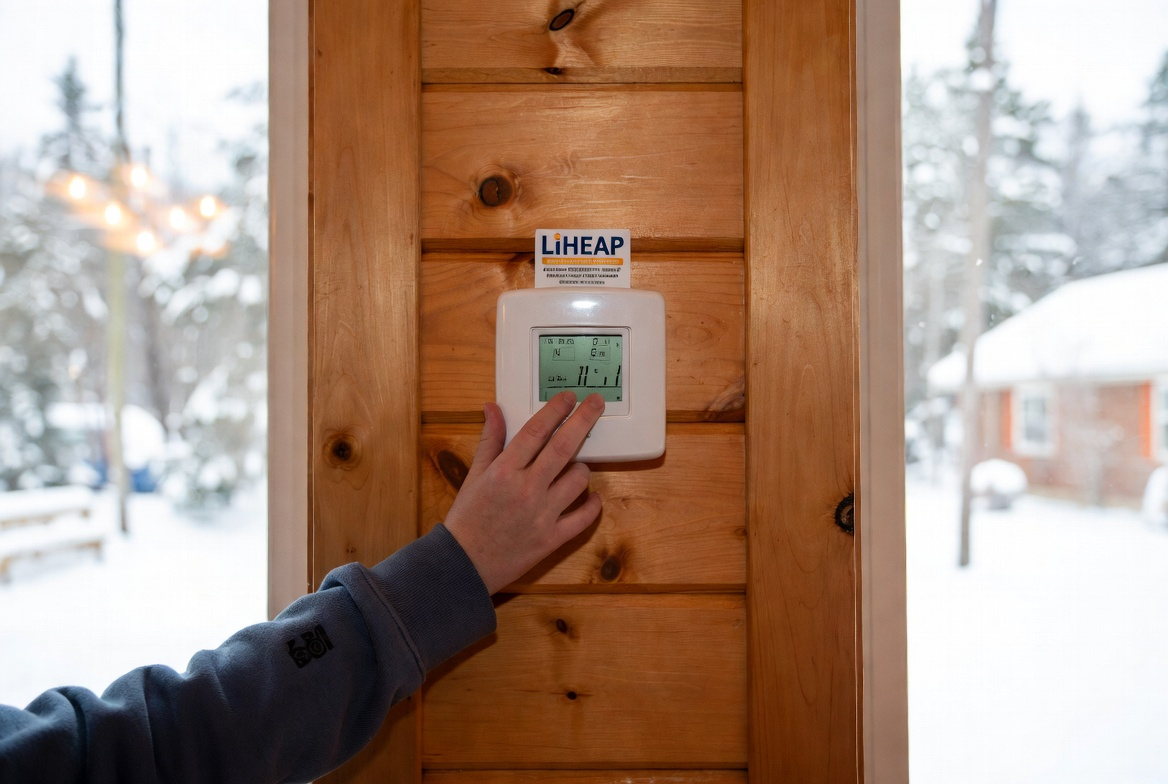
When energy bills pile up, the Low Income Home Energy Assistance Program (LIHEAP) can help pay for heating and cooling costs. The program helps millions of households keep the lights and heat on.
What Is LIHEAP?
LIHEAP is a federally funded program that helps low-income households pay for home energy costs. The program is administered by states, tribes, and territories, which means benefits and application processes vary by location. Assistance can come as a one-time payment, ongoing seasonal help, or emergency crisis intervention.
What LIHEAP Covers
- Heating assistance (natural gas, electricity, propane, wood, oil)
- Cooling assistance for summer months
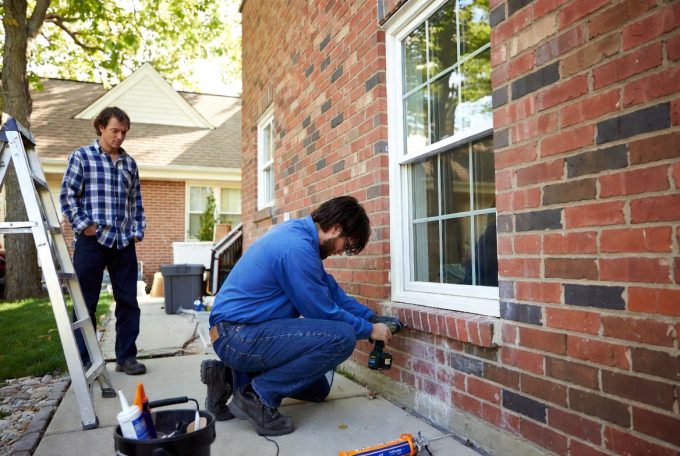
- Weatherization services to improve energy efficiency
- Crisis assistance for disconnection notices or energy emergencies
- Year-round energy cost management in some states
Who Qualifies?
Eligibility is generally based on household income. Most states set the threshold at 150% of the federal poverty level or 60% of the state median income, whichever is higher. Priority is typically given to households with:
- Elderly members (age 60 or older)
- Disabled household members
- Young children under age 6
- The highest energy costs relative to income
Apply before winter if possible. Many states distribute LIHEAP funds on a first-come, first-served basis, and funding often runs out before the end of the heating season. Check with your local LIHEAP office for application dates in your area.
How to Apply
Step 1: Contact your local Community Action Agency or state LIHEAP office. You can find your local office at acf.hhs.gov or by calling 211.
Step 2: Gather required documents including proof of income, identification, Social Security numbers, and a recent energy bill.
Step 3: Complete the application either online, by mail, or in person depending on your state.
Step 4: If approved, payments are typically sent directly to your energy provider on your behalf.
Crisis Assistance
If you have received a disconnection notice or are already without service, contact your local LIHEAP office immediately. Most states have an emergency or crisis component that can provide faster assistance to prevent or restore service.
Did not finish? Pick up where you left off.
Your answers are not saved — check your eligibility now before you go.
Relief Resource Center may receive compensation when you use links or tools on this page. All programs listed are subject to eligibility requirements and availability. This page is for informational purposes only and does not constitute legal, financial, or medical advice.







Leave a comment