

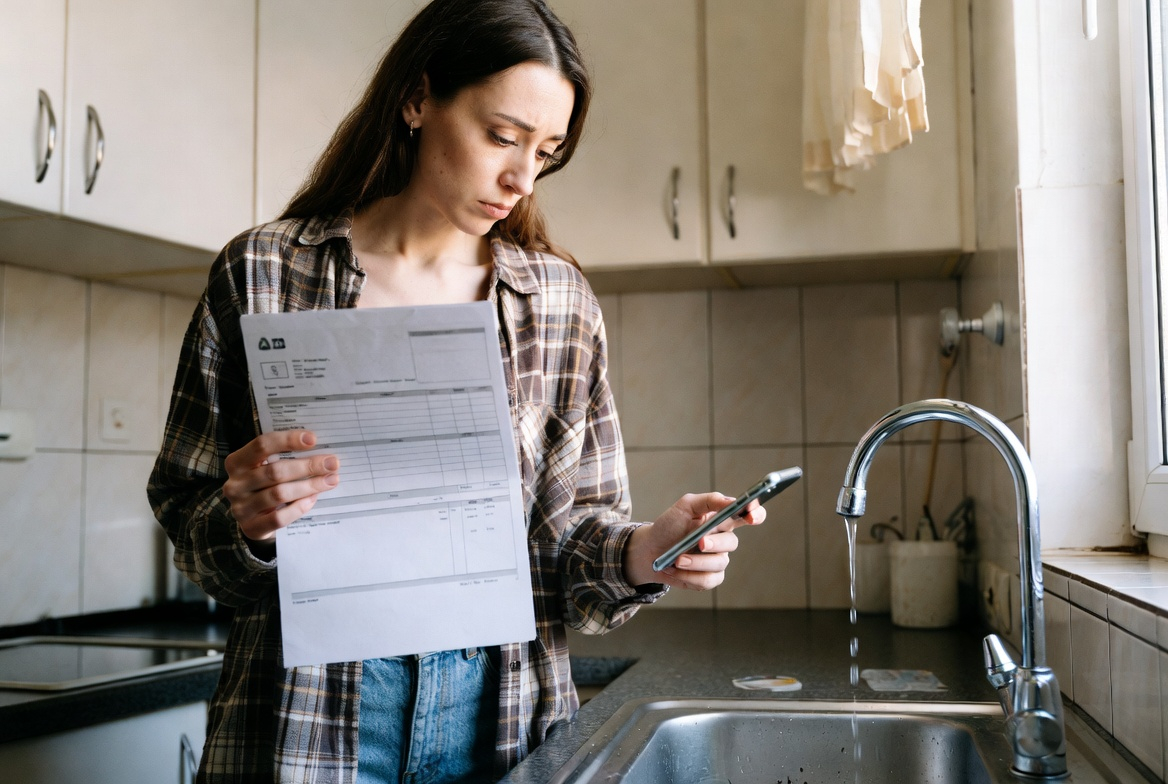
Water is a basic necessity, and several programs exist to help if you are struggling to pay your water bill. From federal funding to local utility programs, here is where to find help.
The Growing Need for Water Assistance
Water and sewer costs have risen significantly in recent years, outpacing inflation in many areas. For low-income households, water bills can consume a disproportionate share of income. Federal and local programs have expanded to address this growing need.
LIHWAP: Low Income Household Water Assistance Program
LIHWAP is a federal program created to help low-income households pay for drinking water and wastewater services. Modeled after LIHEAP, the program provides one-time payments directly to water utilities on behalf of qualifying households. Eligibility is generally based on income (typically 150% of the federal poverty level) and varies by state.
Local Utility Assistance Programs
Many water utilities operate their own customer assistance programs:
- Low-income rate discounts that reduce your monthly bill permanently while you qualify
- Crisis assistance for past-due balances to prevent shutoff
- Leak repair programs that fix plumbing issues causing high bills
- Bill credits or forgiveness programs for customers demonstrating hardship
- Payment plans to spread past-due balances over time
Community Action Agencies
Your local Community Action Agency (CAA) is often the best starting point for water bill assistance. CAAs administer many federal and state assistance programs and can help you apply for multiple forms of aid at once. Find your local CAA through the Community Action Partnership website or by calling 211.
Call 211 for immediate help. The 211 helpline can connect you with every water assistance program available in your area, including programs you may not find through a web search. Specialists can also help with applications.
Tips for Reducing Your Water Bill
- Fix leaking faucets and toilets — a running toilet can waste 200 gallons per day
- Install low-flow showerheads and faucet aerators
- Run dishwashers and washing machines only with full loads
- Water lawns and gardens early in the morning to reduce evaporation
- Check your meter for unexpected usage that may indicate a hidden leak
What to Do If Facing Disconnection
Step 1: Contact your water utility immediately to discuss payment options.
Step 2: Apply for LIHWAP and any local assistance programs.
Step 3: Call 211 for additional referrals to charities, churches, and emergency funds that may help.
Step 4: Check your state’s shutoff protection rules — some states restrict water disconnections for households with medical needs or young children.
Did not finish? Pick up where you left off.
Your answers are not saved — check your eligibility now before you go.
Relief Resource Center may receive compensation when you use links or tools on this page. All programs listed are subject to eligibility requirements and availability. This page is for informational purposes only and does not constitute legal, financial, or medical advice.





Leave a comment